Do Reaction and Memory Games Actually Train Your Brain?
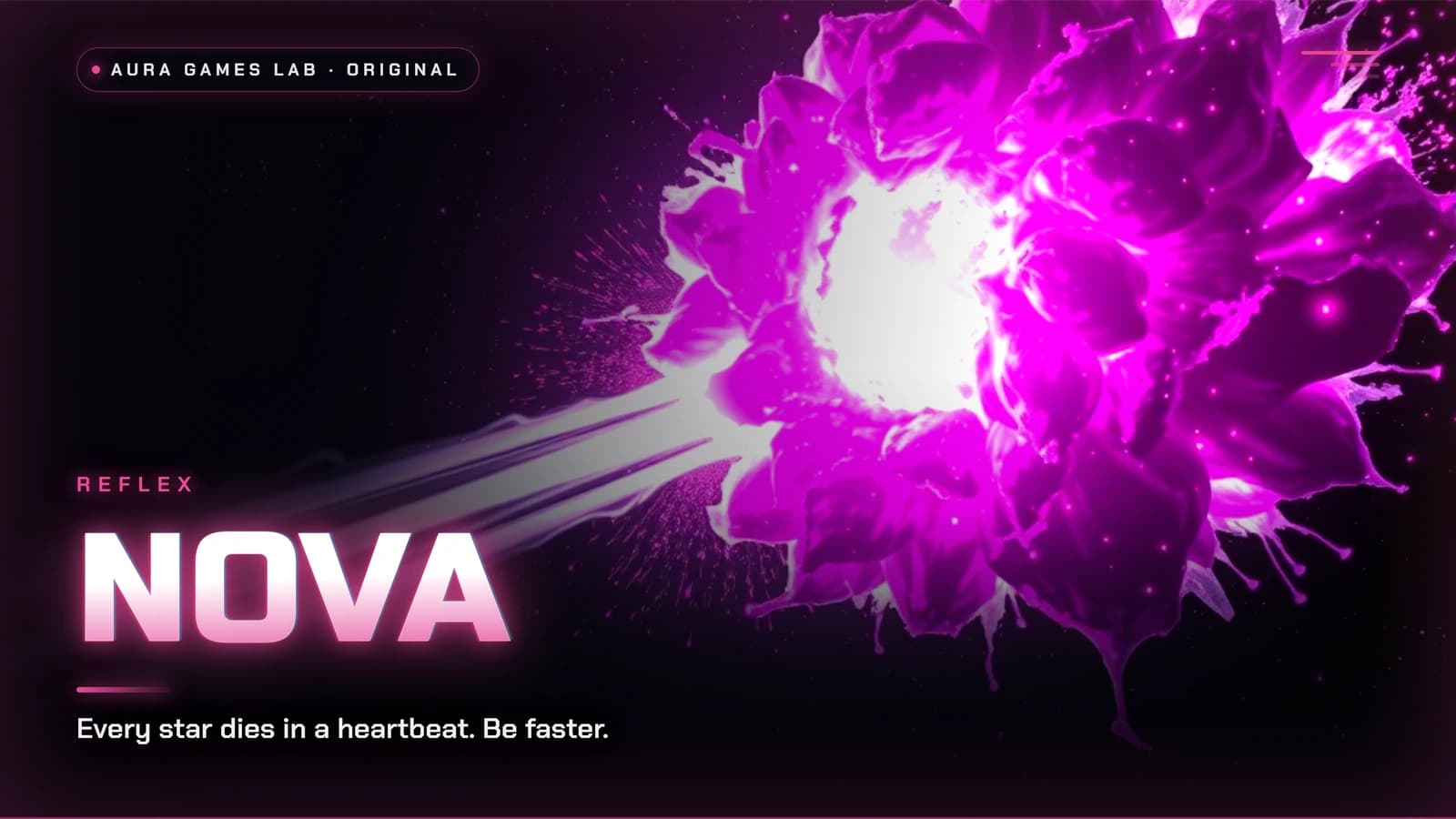
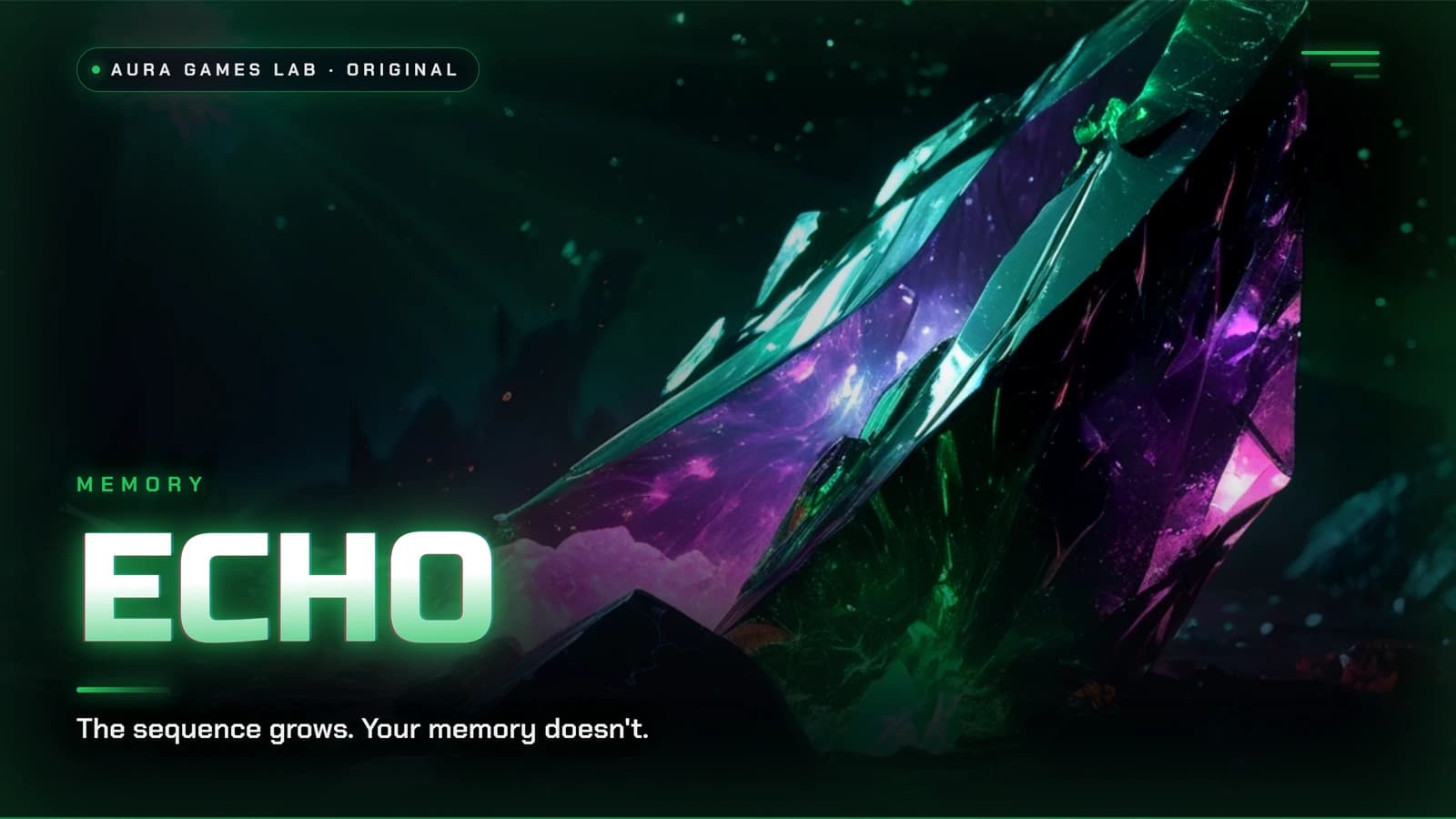
We build reaction and memory games. Nova is pure reflex: neon targets swell and fade, and you pop them before they blink out. Echo works the opposite muscle, a run of pads that flashes in order and asks you to repeat it back. People email us a version of the same question. Does playing this stuff actually sharpen my brain, or is it just a pleasant way to burn ten minutes?
This is the version from the people who build these, not a marketing team that needs you to believe something. We're not going to tell you our games make you smarter. We don't think the claim holds up, and we won't sell it.
What we mean by transfer
The word cognitive scientists use is transfer, and it splits into two kinds worth keeping apart.
Near transfer is real and a little boring. Play Nova for a week and you'll get better at Nova. Your eyes learn where targets tend to appear, your hand shortens the gap between seeing and tapping, and your score climbs. Play Echo daily and you'll hold longer sequences than you could on day one. Nobody disputes this. It's plain practice, the same reason your tenth attempt at parallel parking beats your first.
Far transfer is the interesting claim, and the shaky one. That's the idea that drilling a memory game rebuilds your memory in general, so you'd remember a shopping list better, or that reaction drills make you quicker at everything from driving to conversation. That promise is what the brain-training industry was built on, and it's the one that keeps failing to show up when people test it carefully.
What the research actually supports
We're a game studio, not a lab, so we'll stay careful here and stick to what's broadly agreed rather than dressing up numbers we can't stand behind.
The rough shape of it is this. You reliably get better at the trained task. You often get a little better at tasks that closely resemble it. But the jump to general, everyday cognition, real gains in the attention and memory you use away from the screen, is where the findings thin out and researchers start disagreeing in public. A group of psychologists and neuroscientists publicly warned, some years back, that the strong brain-training claims had run ahead of the evidence; another group pushed back just as publicly. The takeaway isn't which side is right. It's that a big, reliable benefit would be easy to show, and the argument would be over. It isn't over, which is a strong hint the effect is small at best.
The commercial side has been blunter. One of the best-known brain-training brands was fined by US regulators for telling customers its games would sharpen everyday performance and hold off mental decline without the evidence to back it. When a claim is good enough to sell but not good enough to survive a regulator, that tells you most of what you need.
So no, we won't wrap Echo in a lab coat. The thing it trains best is Echo.
What they're genuinely good for
None of that makes these games pointless. It means we should be straight about the actual payoff, which is real and worth having.
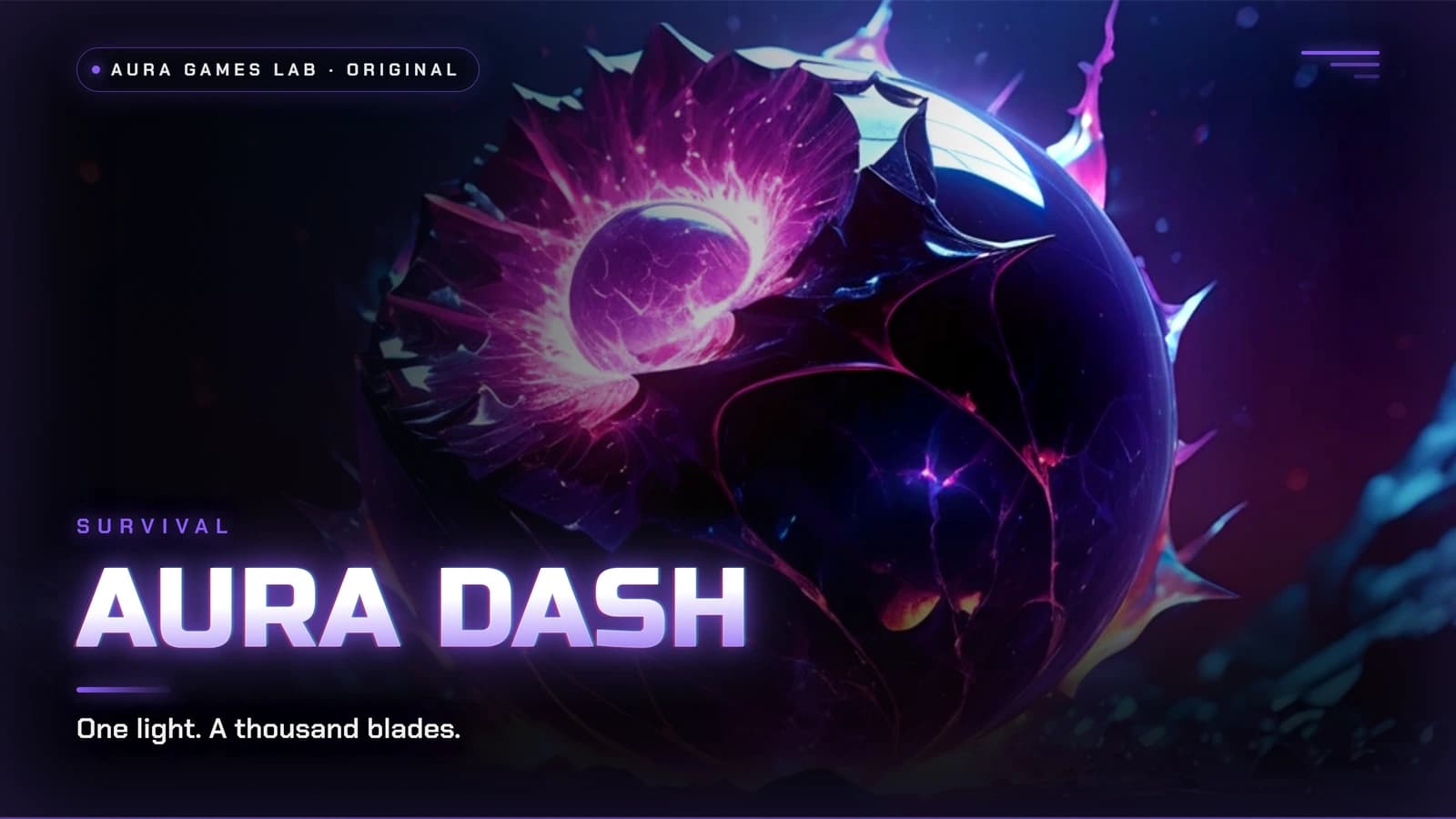
A clean reset. A reaction game asks for your full attention in a short burst, then hands you nothing to carry afterward. No save file guilting you back, no five-hour campaign. Play Aura Dash for three minutes, your head clears, and you go back to the thing you were avoiding. That's a good use of a coffee break, and we tuned these to be exactly that length of good.
Focus you can feel. Whether or not it lifts your baseline attention, a fast game pulls you into a single-pointed state quickly. For a couple of minutes there is only the next target. People chase that on purpose, and there's nothing wrong with wanting it.
Hand-eye timing. This is the one spot where near transfer probably earns its keep in ordinary life. The loop of see, decide, act under mild pressure is a genuine coordination skill, and Nova is that loop with the fluff stripped off. We won't oversell it. Quick, accurate pointing isn't nothing.
A break that respects you. No lives sold for cash, no timer nagging you back at 8pm. Open a tab, play, close it. That restraint is deliberate, and it's part of why we keep the shelf small and the games clean.
How to get the most from ten minutes
If you're going to play, play in a way that does something for you instead of zoning out.
- Take one real run, not twenty half-attempts. The value lives in the focused burst. Give a single game your full attention rather than alt-tabbing mid-round.
- Chase the mechanic, not just the score. In Echo, don't stab at pads. Say the colours to yourself and group them into pairs. That's the part that resembles a real memory move, and it feels better anyway.
- Warm up, then stop. Three or four rounds is enough to get sharp and clear your head. A thirtieth round, tired and irritated, isn't training. It's fidgeting.
- Notice the reset. Pay attention to how your head feels after, not during. If you go back to work steadier, the game did its job.
Play it for what it is
We'd rather you trust us on the small true thing than fall for the big shiny one. Nova and Echo won't rebuild your memory or turn you into a faster human. They'll give you a few minutes of real focus, a little timing practice, and a clean stop with nothing hanging over you, then let you go. That's a good deal. It just isn't the one the brain-training aisle keeps promising.
Want the reset without the sales pitch? Play Nova for reflex or Echo for memory, and take them for what they are.
Frequently asked questions
Do brain-training games actually make you smarter?+
Honest answer: the evidence mostly points to no. You reliably get better at the specific game you practise, and that part is real, but it rarely spreads to general intelligence, everyday memory, or being sharper away from the screen. We build reaction and memory games because they're fun and focusing, not because they'll rewire anything.
So are reaction and memory games a waste of time?+
Not at all. They're good for a short mental reset, a hit of real focus, and some hand-eye timing practice. Play them for the break they actually give you, not the 'get smarter' promise the industry oversold. The smaller, true benefit is worth having.
What's the difference between Nova and Echo?+
Nova is a reaction game: targets flare and shrink, and you hit them fast before they're gone. Echo is a memory game: a pattern of pads lights up and you repeat it back in order. One tests reflex, the other recall. Both are quick, free, and play right in the browser.