The Five-Minute Game Is a Better Break Than Doomscrolling
The kettle's on. You've got maybe five minutes until it boils and the next thing starts. Your hand finds your phone before you've decided anything, and the feed opens itself. Five minutes later the kettle's clicked off, you've watched a stranger argue about a sandwich, and you sit back down feeling slightly worse and no more rested than before.
That five-minute gap is the exact slot we build for, so we've spent an embarrassing amount of time thinking about it. The break is real, it's yours, and the phone feed is a poor way to spend it. A short game is a better one. Not because games are wholesome and phones are evil; we won't pretend that. Because of one specific thing the feed refuses to give you: an ending.
A break should end, not just stop
The trouble with the feed is structural. It's built never to finish. No last post, no win screen, no natural place to stand up. It ends only when you lose the small fight against it and put the phone down, which means every scroll break ends in a tiny defeat. You didn't complete anything. You gave up and went back to work with the thread still half-open in your head.
A game ends. You lose the run, or you clear the wave, and the screen says so. That little full stop matters more than it sounds. Your attention gets to close one loop before it opens the next, and you come back to the desk with a finished thing behind you instead of a scroll you abandoned mid-swipe.
We can't hand you a brain scan to prove this, and we won't fake one. You already know the difference in your own body. Finishing a quick game and quitting a scroll session feel nothing alike, even when both ate the same five minutes.
What makes a game good for a coffee break
Most games are the wrong shape for this. A break game has a job, and it's a narrow one.
It has to start now. If there's a launcher, a login, a loading bar, or a cutscene you can't skip, the break is over before you've played. This is exactly why we make browser games instead of apps, and why we keep arguing that case: you click a link and you're in, no toll, no wait.
One screen, no manual. A break is not the time to learn a control scheme. The good ones you understand in a sentence. Tap to drop, steer to dodge, echo the pattern back. The depth shows up later, once you're already hooked.
The last requirement is the one most games flunk: it has to end by itself, without you deciding to stop. A game with a real fail state does the hardest part of a break for you. It stops. You don't have to summon the willpower to close the tab, because the run's already over and the kettle's already boiling.
The two-minute break
Some breaks are barely breaks. The file's compiling, the page is loading, someone's three minutes late to the call. You want one clean run and a score, then out.
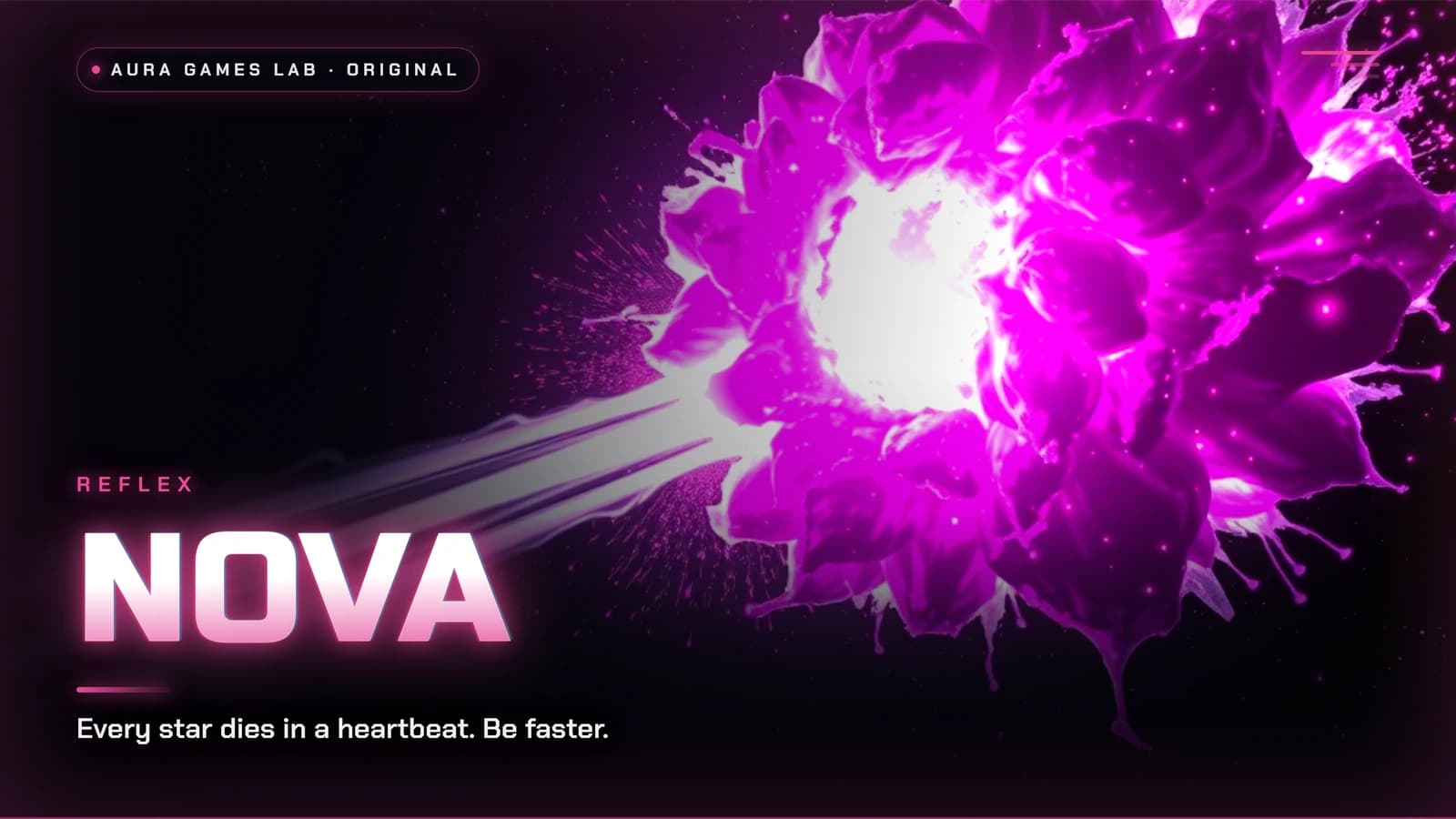
Nova is our pick here. Bright targets swell and shrink again, you catch them in the gap, and three you miss ends it. A run rarely outlives a loading bar, and it leaves you a little sharper than you started, which is roughly the opposite of what a scroll does to your eyes.
Echo does the same job with memory instead of aim. A short pattern flashes across the pads, you play it back, one wrong tap ends the round. Because it leans on recall rather than reflex, it wakes a different part of your head than the spreadsheet you just left, and most rounds finish in under a minute. Flux and Neon Stack live in the same drawer: one input, quick to finish, easy to walk away from because they end themselves.
The ten-minute break
A proper break, a real coffee and a chair, wants something with a bit more arc. Not longer for its own sake. Long enough to settle into a rhythm and out of your own head.
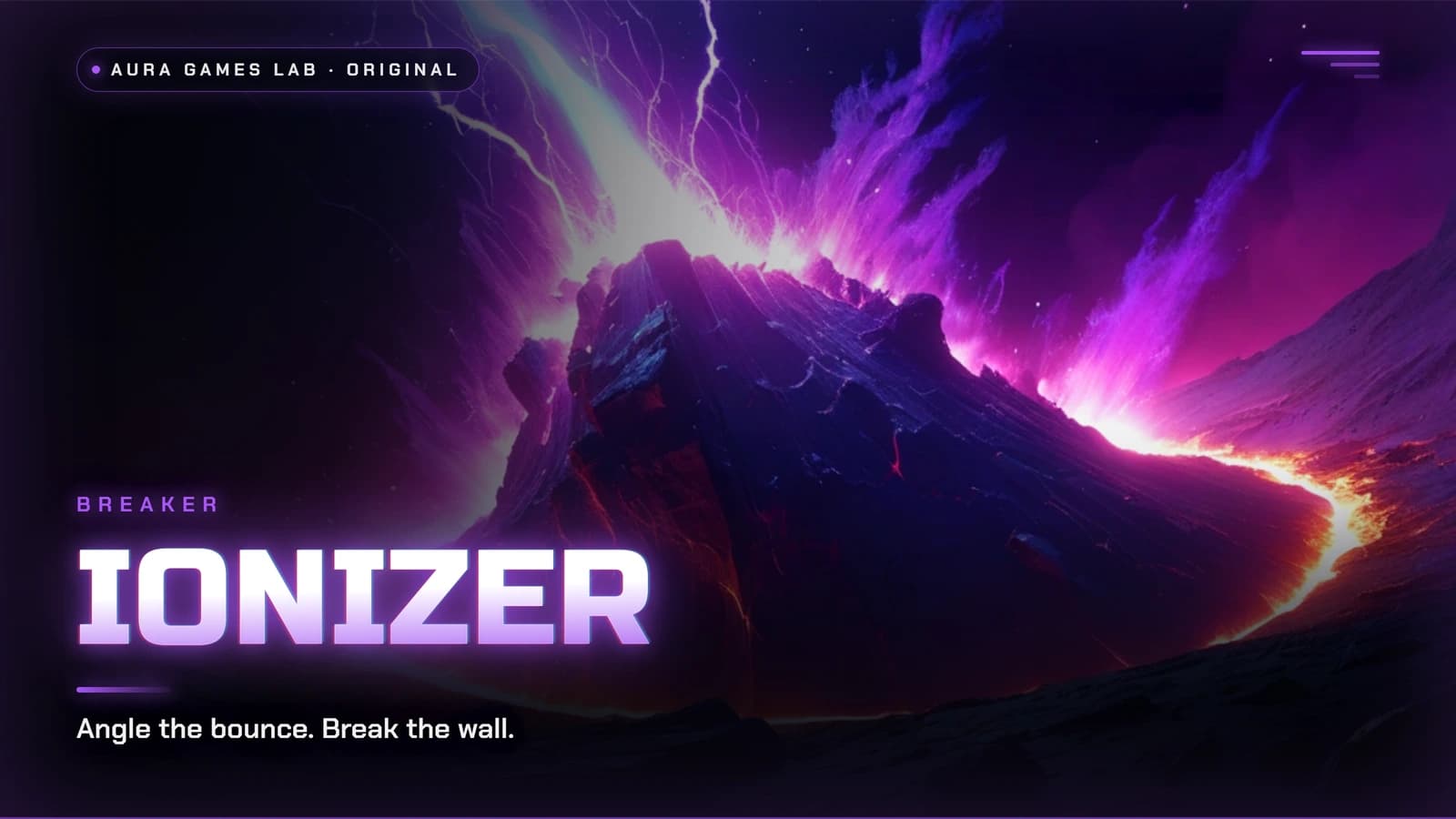
Ionizer, our neon brick-breaker, is built for this. Clearing a wall of blocks is a genuine little arc with a start and a finish, and each cleared wave speeds the ball up, so ten minutes buys you a real climb rather than a single twitch. You finish a session having actually got somewhere.
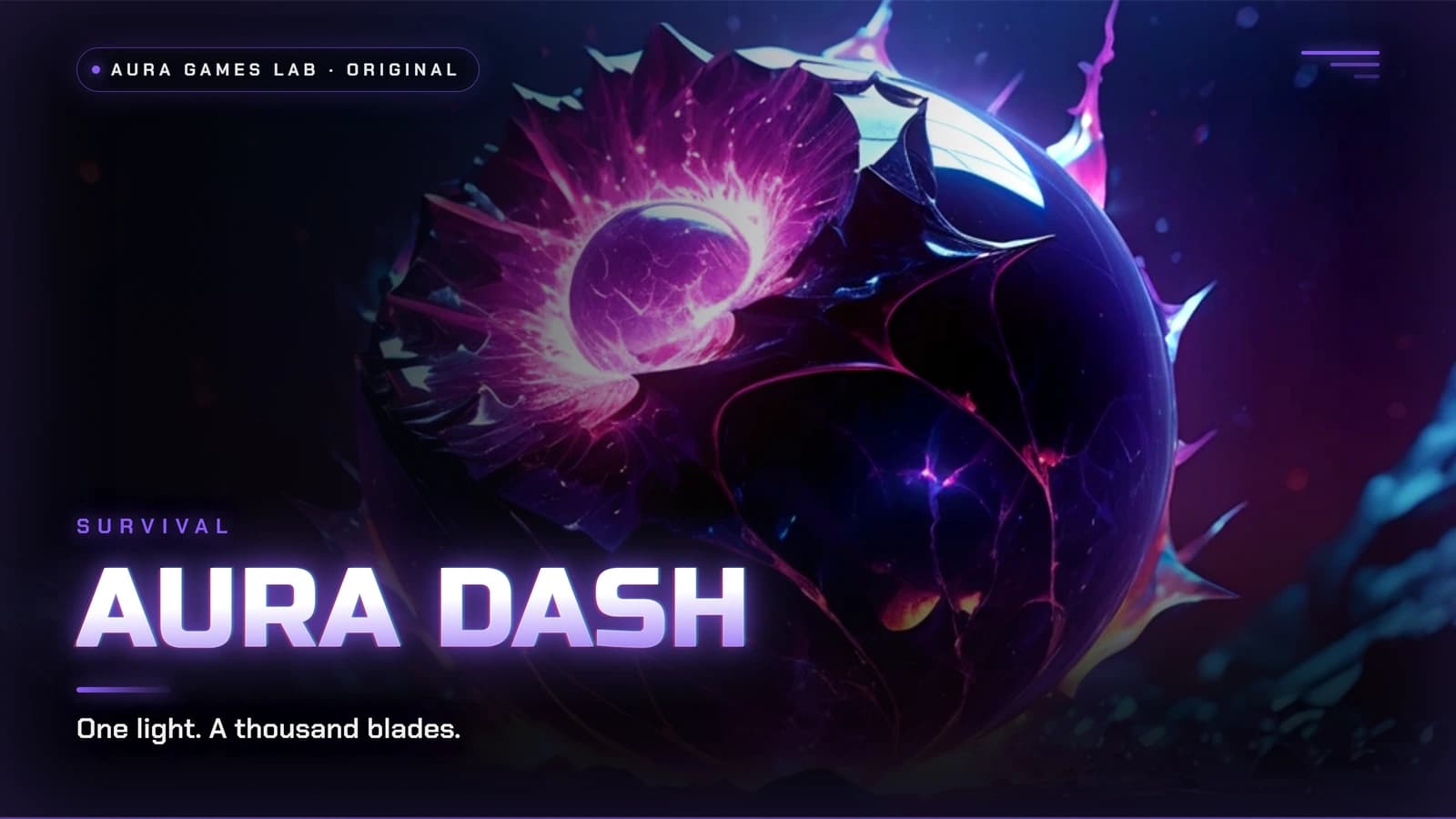
Aura Dash is the other long-break pick. You thread a lit core through drifting shards, stringing orbs together to hold a combo, and a single hit ends it. A good run stretches out, a bad one resets fast, and either way you can put it down the second the mug's empty. It rewards a settled ten minutes without punishing you for only having three.
One thing we'll admit
A game can eat your afternoon as easily as a feed can. We know. We build the things, and "one more run" is the point of a good arcade game, not an accident. So treat the fail state as the friend it is, not a nuisance. Let the run end. Let the score stand. Get up.
The difference we keep circling back to is small, and it decides everything. A scroll ends when you give in. A game ends when you win or lose. One leaves you frayed, the other leaves you finished. Pick the shelf that finishes: have a look, take five minutes, and actually take the break.
Frequently asked questions
Is a quick game really a better break than scrolling my phone?+
We think so, for one concrete reason: a game ends and a feed doesn't. A short run closes a loop and gives your attention a clean stopping point, while a scroll only stops when you give in to it. Same five minutes, very different feeling when you sit back down.
What makes a game good for a five-minute break?+
Three things. It starts instantly, with no login or download. You can understand it in a single sentence. And it ends on its own through a real fail state, so stopping takes no willpower from you.
Which of your games suit a two-minute versus a ten-minute break?+
For two minutes, try Nova or Echo: one clean run and it's over fast. For ten, Ionizer and Aura Dash give you a longer arc to settle into, without punishing you for only having a moment.